Pittsburgh, a city located in western Pennsylvania, was once famous for its steel industry and was called the “Steel City”. However, after the industrial decline, Pittsburgh did not remain silent, but gradually developed into a cultural city that integrates history and modernity, aesthetics and technology through transformation. Today, it is not only the home of Carnegie Mellon University and the University of Pittsburgh, but also a synonym for art, architecture and urban aesthetics.
In Pittsburgh, architecture is not only a manifestation of function, but also a visual language and an expression of the soul of the city. From Victorian classical buildings to modernist glass towers to spaces that mix industrial heritage and cutting-edge design, Pittsburgh’s architectural aesthetics are fascinating.
1. PNC Plaza: Pioneer of green high-rises
Walking in the center of Pittsburgh, you can’t ignore a tall but transparent building – The Tower at PNC Plaza. This skyscraper, completed in 2015, is the headquarters of PNC Financial Services Group and one of the greenest high-rise buildings in the world today.
PNC Plaza not only achieved top ratings in LEED certification, but its architectural concept is also a practice of ecological philosophy. It greatly reduces energy consumption through double-skin curtain wall systems, natural ventilation strategies and sunlight introduction devices. Architect Gensler cleverly combines sustainable development with aesthetics, making this building look like a modern “sky garden” even if it stands in the city center full of steel and concrete.
In the spring sunshine, the glass exterior of PNC Plaza reflects the blue sky and the city, like a mirror of time, recording Pittsburgh’s transformation from an industrial city to a green future.
Suitable for visitors: urban architecture enthusiasts, sustainable design followers
Recommended booking platforms: Viator, Klook (some architectural tours can be booked), GetYourGuide
2. Heinz Memorial Chapel: Gothic beauty echoes in the modern era
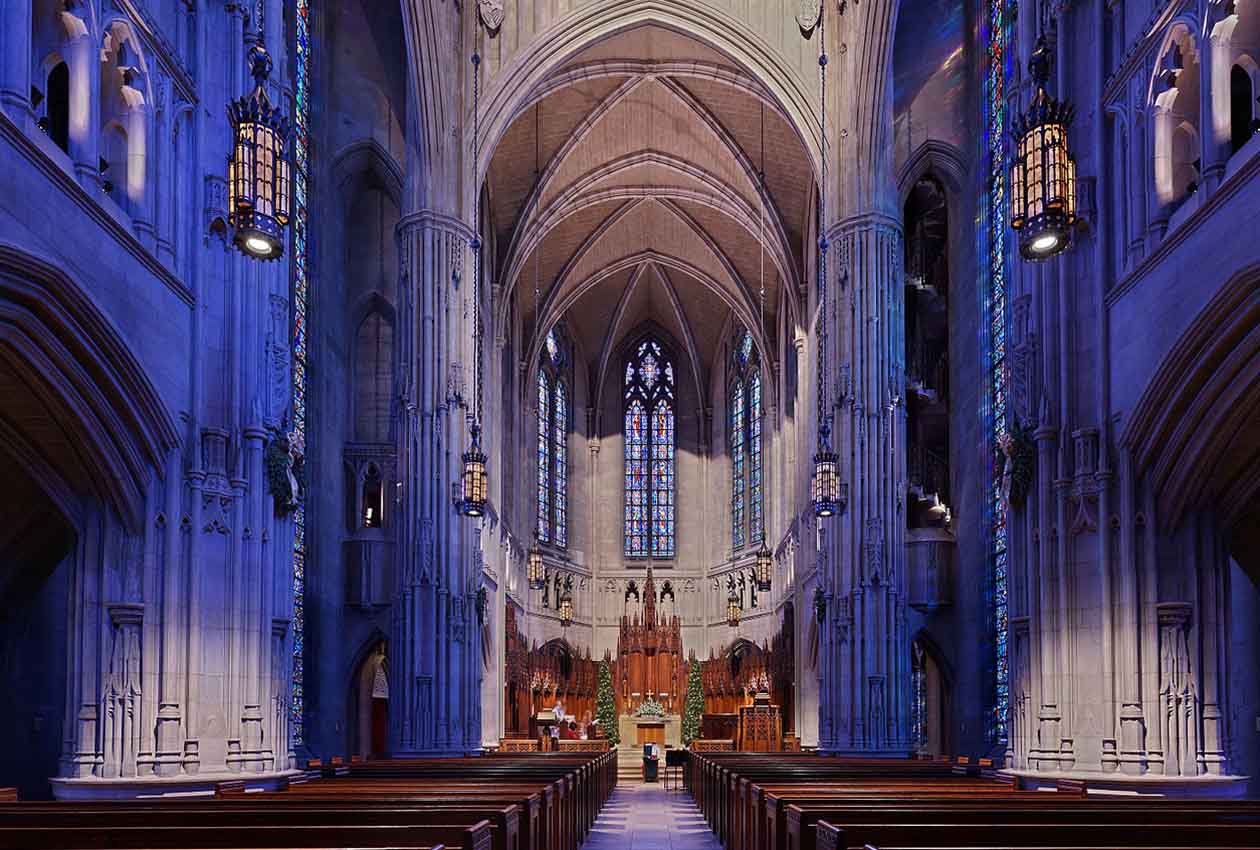
The Heinz Memorial Chapel on the campus of the University of Pittsburgh is a landmark that pushes the aesthetics of classical architecture to the extreme. This church, completed in 1938, adopts the Gothic Revival style and was designed by architect Charles Klauder. Whether it is the towering spires, the hollow flying buttresses, or the countless stained glass windows in the church, this church shows an awe-inspiring spiritual aesthetic.
The most memorable thing is the stained glass that occupies the entire wall inside the church. Each piece of glass tells a biblical story or a historical fable. After the sunlight passes through, it falls on the stone ground, as if time has frozen here. In spring, the church is surrounded by cherry blossoms and azaleas. When the petals fall in the wind in front of the church steps, it feels like being in an old European movie.
Heinz Chapel is not only open to visitors, but also often hosts concerts and weddings. For travelers who love architectural photography or classical music, this is a must-see place for shooting and listening.
Suitable for visitors: history lovers, Gothic architecture fans, photography enthusiasts
Recommended booking platforms: Klook (campus walking tour includes the church), Viator, ToursByLocals
3. Carnegie Library and Museum Complex: Palace of Knowledge and Art
Carnegie Library (Carnegie Library) is in the same building complex as the Carnegie Museum of Natural History and the Art Museum. It is the “Three Musketeers” of Pittsburgh’s cultural landmarks. Built in 1895, the complex was funded by billionaire Andrew Carnegie and is one of the first public library and museum complexes in the United States.
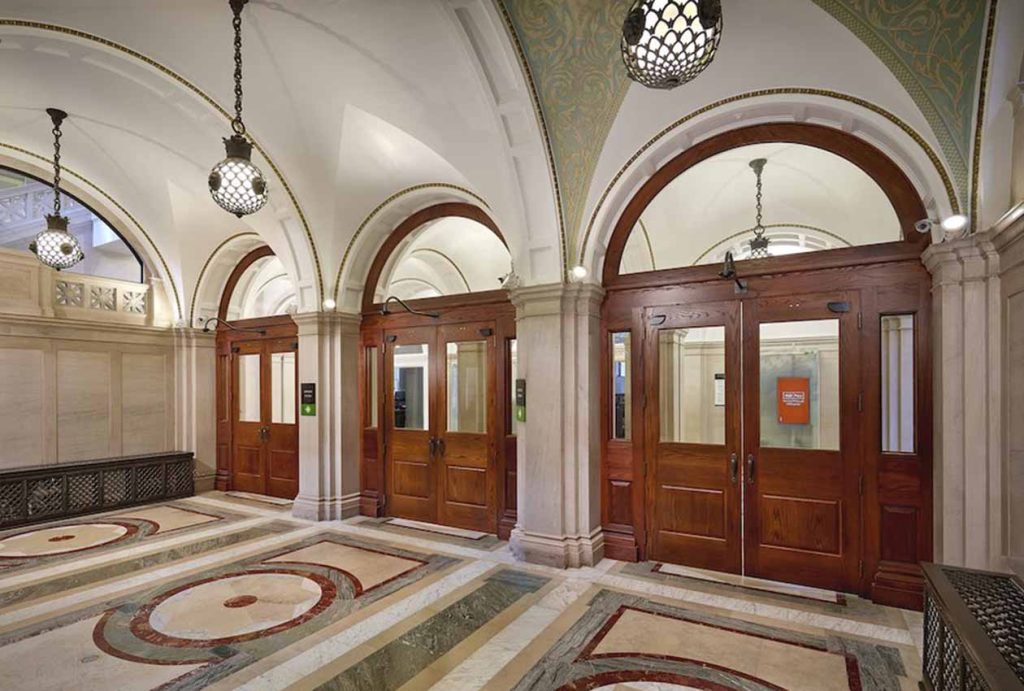
The building adopts neoclassical style, and the exterior wall is made of light gray granite, which complements the surrounding green Schlenley Park. The main entrance is composed of three arches, showing a stable and sacred temperament. The interior is decorated with carved reliefs and towering domes, which are both solemn and friendly.
Particularly worth mentioning is the dinosaur fossil exhibition hall in the Natural History Museum and the collection of 19th-century European paintings in the art museum. In the gallery of knowledge and art, the building itself has become part of the content, and is a model of the dance between space and content.
In spring, college students often read, draw or play guitar in the sun on the lawn outside the library, adding a touch of youth to this historic landmark.
Suitable for visitors: families with children, literary youth, cultural explorers
Recommended booking platforms: GetYourGuide, CityPASS Pittsburgh Combo Ticket, Viator (including museum pass)
4. Kelly Stratton Museum of Modern Art: The Future Form of Industrial Heritage
Pittsburgh has never cut off its bloodline with industry, and Kelly Stratton Museum of Modern Art (The Mattress Factory) is the best artistic presentation of this connection. This is a contemporary art museum transformed from an abandoned industrial building, located in the Mexican War Streets neighborhood in the north of the city.
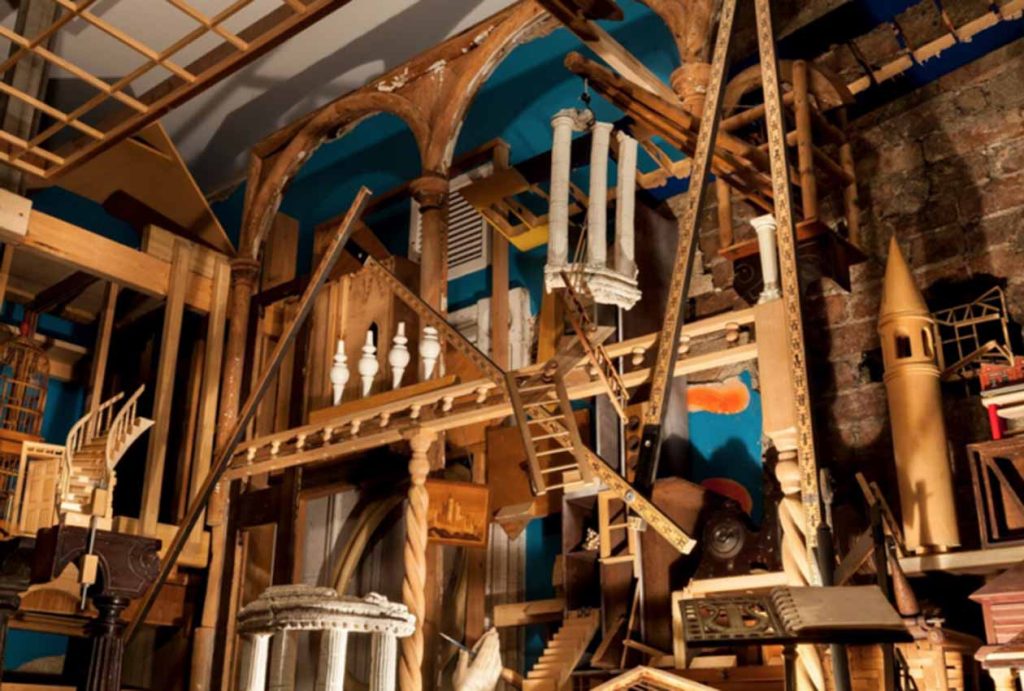
The original appearance of the museum’s building has been preserved, and the exposed red brick walls, rusty stairs, retro elevators and heavy iron doors have not only not been covered up, but have become part of the exhibition. The space is divided into several immersive installation rooms, designed and arranged by the artist himself. You can meditate in the room with interlaced light and shadow, or examine yourself in the mirror reflection.
Spring is the most vibrant season here. The museum roof garden will plant wild flowers and open a small art market. The whole space transforms you from a traditional “visitor” to an “experiencer”.
Suitable for visitors: avant-garde art followers, industrial style enthusiasts, immersive experience enthusiasts
Recommended booking platforms: GetYourGuide (Contemporary Art Route), Airbnb Experience, Viator
5. Wood Street Station and Light Rail System: Mobile Architectural Aesthetics in the City
Although stations are usually regarded as functional spaces, Pittsburgh’s Wood Street Station is a unique urban installation art. The light rail system (The “T” Light Rail) above the station is not only an important part of Pittsburgh’s public transportation, but also has a unique style of station and track design along the line.
The elevated bridge section where Wood Street Station is located has been given more aesthetic functions by Pittsburgh’s urban planners and artists. For example, the station’s covered skywalk is made of modern metal lines and glass materials, and the station is decorated with public art works, including neon installations and interactive screens.
At dusk in spring, the glass curtain wall of the platform reflects the afterglow of the sunset into a kaleidoscope of colors, which contrasts sharply with the commuters in office clothes, like a silent drama in the city.
The light rail itself is also a way of traveling. You can take a train from the city center to the PNC Stadium on the north shore, or the Mount Washington Observation Deck in the south, passing through bridges, rivers and urban forests, just like traveling through a canvas interwoven with steel and nature.
Suitable for visitors: city explorers, traffic photography enthusiasts, architectural space control
Recommended booking platforms: CityPASS combination ticket (light rail one-day ticket), Viator city transportation pass, Klook Pittsburgh transportation experience route
6. Notes: Intimate reminder before entering Pittsburgh
Dress comfortably and adapt to local conditions
Pittsburgh’s terrain is famous for hills and bridges. Many attractions such as cathedrals or mountaintop viewing points require walking or climbing. It is recommended that tourists wear non-slip and comfortable walking shoes, and bring rain gear to cope with sudden weather changes. The sun is strong in summer, so hats and sunscreen are also indispensable.
Respect the architecture and cultural atmosphere
When visiting religious places such as Heinz Memorial Church, please be sure to remain quiet and dress appropriately. Do not talk loudly or use flash to take pictures during worship. In addition, some museums have restrictions on carrying large backpacks. You can check the instructions in advance before entering the museum.
Transportation and reservations
Many popular landmarks in Pittsburgh require advance reservations, such as some special exhibitions at the Kelly Museum of Art. It is recommended to book tickets in advance through platforms such as GetYourGuide or Viator to avoid waiting on site or being unable to enter.
Avoid peak hours and enjoy the beauty of quietness
Some popular landmarks in Pittsburgh, such as PNC Park, University City Church or the Museum of Modern Art, have large traffic on holidays and weekends. It is recommended that tourists choose to go there in the morning or after 3 pm on weekdays, which can not only appreciate the beauty of the architecture more comfortably, but also make it easier to take aerial photos.
The charm of Pittsburgh is not only its history, not only its rivers or universities, but also reflected in its buildings that tell the past and carry the future. They are either classical, modern, avant-garde, or friendly, forming a rich map of urban aesthetics.
For travelers, architecture is not only a place to visit, but also a gateway to understand the spirit of the city. You can see the possibility of a green future through PNC Plaza, and hear the echoes of medieval prayers in Heinz Chapel; you can chase the footprints of knowledge in the corridors of Carnegie, and you can talk to the soul in Mattress Factory.
Every building is a silent poem; and Pittsburgh is the most intriguing chapter in that collection of poems.
Next time you come to Pittsburgh, you might as well bring a sketchbook, a pen, and a curious mind, travel between cities, and write your own architectural travel notes.